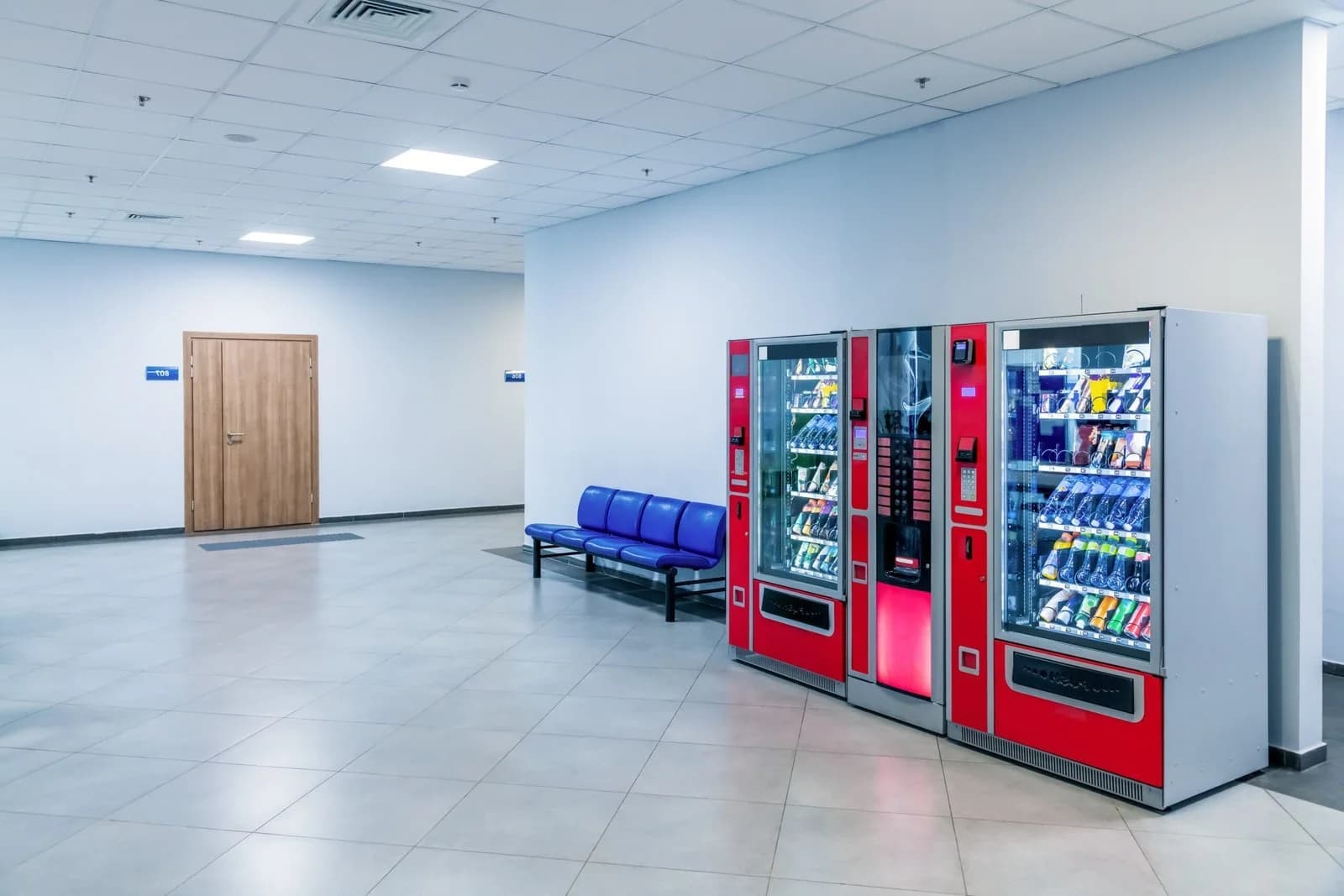
The first few decisions shape the rest of the business. This is the order we suggest for Ontario.
1. Find the location before the machine
A good location makes an average machine profitable; a poor one won’t support even a new machine. Look for steady foot traffic, few food options nearby and long hours: plants, warehouses, gyms, schools and residences. Ask how many people pass each day and when.
2. Agree the terms in writing
Put the basics in a short location agreement: where the machine goes, who pays for power, access hours for restocking, any commission to the host and how either side can end the arrangement.
3. Register your business
Most operators start as a sole proprietorship or incorporate. You can register a business name through the Ontario Business Registry. Under the federal small supplier rule, you must register for HST once your taxable sales pass $30,000 in four consecutive calendar quarters. Some cities also require a business licence for vending, so check with yours. An accountant can confirm what applies to you.
4. Choose a machine that fits the site
For a first location, a used snack or combo machine keeps your upfront cost low. Make sure it can take a card reader, since many customers no longer carry cash. If you plan to sell fresh food, check the rules with your local public health unit first.
5. Stock and price for margin
Buy by the case, start with proven sellers and track which slots empty first. Lay’s, Ruffles and bottled water are safe starting points.
6. Plan your restock route
Restock before favourites sell out, clean the glass and test a vend on every visit. Keep a log of sales per slot and adjust your mix each month.
7. Insurance and records
Get liability insurance, keep receipts for tax time and put your contact number on the machine so people can report problems.
We sell new and used machines, deliver and install across the GTA, and supply snacks by the case. Browse machines or start a quote list.
Our team replies to questions within 1 business day.